


Gensler's newly released City Pulse 2025 survey offers a fascinating window into the minds of urban residents across America and around the world. The research surveyed approximately 13,500 residents across 27 major U.S. cities between July and November 2024, part of a broader global study of 33,000 residents across 65 cities. The findings reveal critical insights about what attracts people to cities, what makes them stay, and what drives them to leave.
The findings paint a clear picture: while practical needs get people to move to cities, emotional connections keep them there. For global mobility professionals, understanding this dual dynamic is essential to supporting successful relocations and retention.
The Attraction Factors: Meeting Basic Needs
When deciding where to live, people prioritize fundamental requirements. The survey identified five critical factors that influence relocation decisions: affordability, safety, access to jobs, quality healthcare, and favorable tax environments. These aren't surprising revelations, but their consistent ranking across cities confirms what mobility professionals already know: transferees evaluate destinations through a practical lens first.
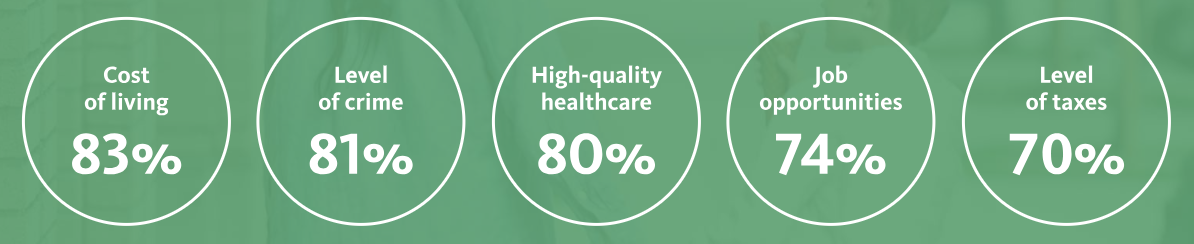
Affordability, in particular, stands out as both an attraction and retention challenge. The research shows that more affordable cities tend to attract more new residents, with Sun Belt cities like Tampa and Raleigh drawing significant populations. Cost of living remains the primary factor driving intent to leave a city, with 83% of respondents rating it as "very" or "extremely" important. Safety follows closely behind as a key concern shaping urban migration patterns.
For global mobility teams, these findings validate the importance of comprehensive cost-of-living analyses and safety briefings in the relocation process. But more importantly, they highlight that meeting these basic needs is merely the table stakes—the foundation upon which successful long-term assignments are built.
The Retention Reality: Beyond the Basics
Here's where the research gets particularly interesting for our field: what attracts people to cities differs dramatically from what makes them stay. Gensler's analysis of 152 predictive factors revealed that the strongest determinants of staying in a city are emotional, not practical. The top five predictors were: not feeling bored, feeling at home, feeling proud of the city, seeing it as a good place to age, and experiencing a growing sense of belonging.
This creates a critical insight for global mobility professionals: we can successfully relocate an employee by meeting their practical needs, but we may lose them shortly after if we haven't helped them build emotional connections to their new location.
The data underscores this risk. People who have lived in a city for fewer than five years are significantly more likely to consider leaving. Over 40% of newcomers are already planning their next move. This "newcomer vulnerability" should be a wake-up call for mobility programs focused solely on the logistics of getting people to their destination.
Implications for Global Mobility Professionals
Understanding urban migration patterns like those revealed in Gensler's research allows mobility professionals to build more holistic relocation programs. Consider using this data to:
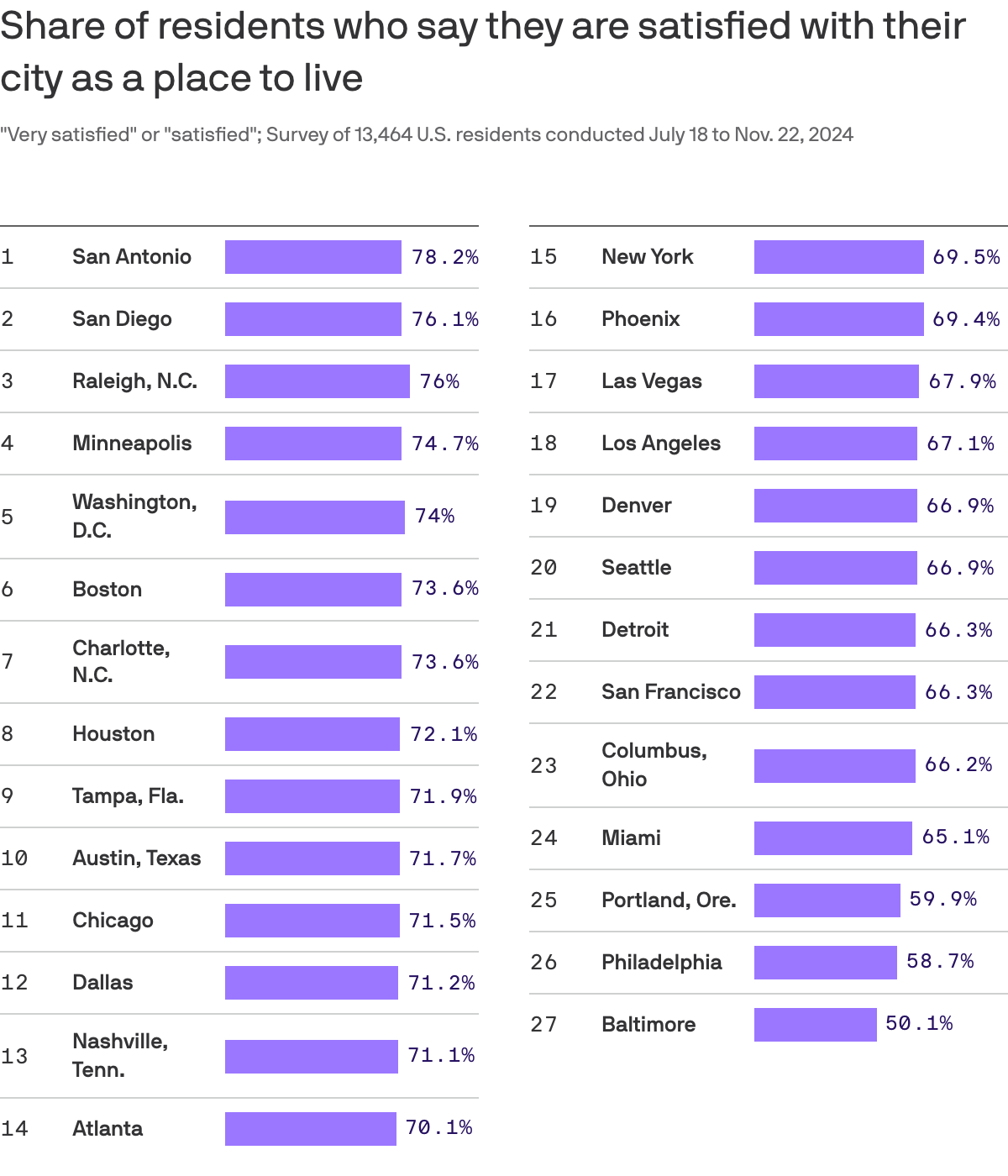
Refine destination selection processes. When presenting location options to candidates or planning major office relocations, factor in both attraction metrics (affordability, safety, healthcare) and retention indicators (community engagement, cultural vibrancy, quality of life measures). The cities ranking highest in resident satisfaction—like San Antonio topping the U.S. list at nearly 80%—deserve closer examination in site selection discussions.
Enhance integration programming. Since newcomers are most at risk of leaving within their first five years, develop cultural integration programs that help transferees build community connections quickly. This might include neighborhood tours, social groups, volunteer opportunities, and family engagement activities.
Measure beyond compliance. Traditional mobility metrics focus on whether relocations happen on time and on budget. Consider adding retention and satisfaction metrics that track whether relocated employees stay in their new locations and report positive experiences.
The movement of people isn't just about logistics—it's about helping individuals and families establish roots in new communities. By understanding what makes cities magnetic and what makes them "sticky," we can design mobility programs that don't just move people, but help them truly arrive… and stay.

/Passle/56686a093d94740bd0dda608/SearchServiceImages/2026-10-13-17-32-29-094-6ace6b2d477453bcaa2f0248.jpg)
/Passle/56686a093d94740bd0dda608/SearchServiceImages/2026-09-28-14-19-05-543-6aba775957009c2a3813850c.jpg)
/Passle/56686a093d94740bd0dda608/SearchServiceImages/2026-10-05-19-37-55-698-6ac3fc939419104bcb84c3ed.jpg)